Introduction
Traverse City retail real estate is shaped by a rare combination of tourism demand, local loyalty, walkable downtown activity, waterfront appeal, and year-round lifestyle migration. For business owners, investors, and tenants, the market offers opportunities that extend beyond traditional storefront visibility into brand experience, community connection, and long-term positioning.
Retail properties in Traverse City and surrounding Northern Michigan communities often benefit from multiple demand drivers. Visitors come for beaches, wineries, restaurants, trails, events, boating, festivals, and seasonal recreation, while year-round residents continue supporting local businesses that contribute to the region’s character and quality of life.
For retailers and investors, this creates an environment where location, concept, merchandising, parking, walkability, seasonality, and customer experience all matter. A strong retail opportunity in Traverse City is not only about square footage. It is about understanding how people move through the market, why they visit, what they value, and how a business fits into the rhythm of the community.
Why Traverse City Retail Is Different
Traverse City is not a conventional retail market. It functions as both a regional hub and a destination market, drawing local customers, seasonal residents, vacationers, second-home owners, and out-of-town visitors into a relatively concentrated commercial environment.
That dynamic can create powerful opportunities for well-positioned retail concepts. Downtown storefronts, neighborhood retail spaces, mixed-use properties, specialty food businesses, lifestyle brands, galleries, apparel shops, outdoor recreation retailers, and experiential retail concepts may all benefit from the region’s blend of visitor activity and local support.
At the same time, retail success in Traverse City often requires more than simply securing a visible location. Business owners and tenants must evaluate seasonal traffic patterns, customer demographics, parking access, neighboring businesses, signage, storefront presentation, delivery logistics, lease structure, and the ability to serve both visitors and residents.
The strongest retail locations often do more than capture foot traffic. They create a sense of place.
Tourism Demand & Retail Opportunity
Tourism is one of the strongest demand drivers behind Traverse City’s retail environment. Travel Michigan reported that Michigan’s tourism industry generated $54.8 billion in total economic impact in 2024, with 131.2 million visitors spending $30.7 billion across the state. For retail businesses, that broader visitor economy matters because travel spending flows into lodging, restaurants, recreation, transportation, entertainment, and shopping.
Grand Traverse County has also shown substantial visitor spending in recent years. Northern Express, citing the 2023 Pure Michigan Tourism Economic Impact Report, reported that visitors spent about $630.8 million in Grand Traverse County in 2023, up from $583.8 million in 2022 and $493.2 million in 2021. The same reporting noted that 55 percent of people visiting Michigan’s Northwest Region shopped in locally owned businesses.
For retail tenants and property owners, those figures help explain why Traverse City remains attractive for specialty retail, food-related concepts, apparel, home goods, galleries, outdoor recreation brands, and other businesses tied to the visitor experience.
The key is not simply attracting tourists. The best retail concepts often serve visitors while remaining relevant to year-round residents. That balance can help stabilize demand beyond peak summer months and support stronger long-term business performance.
Downtown Storefronts, Corridors & Mixed-Use Retail
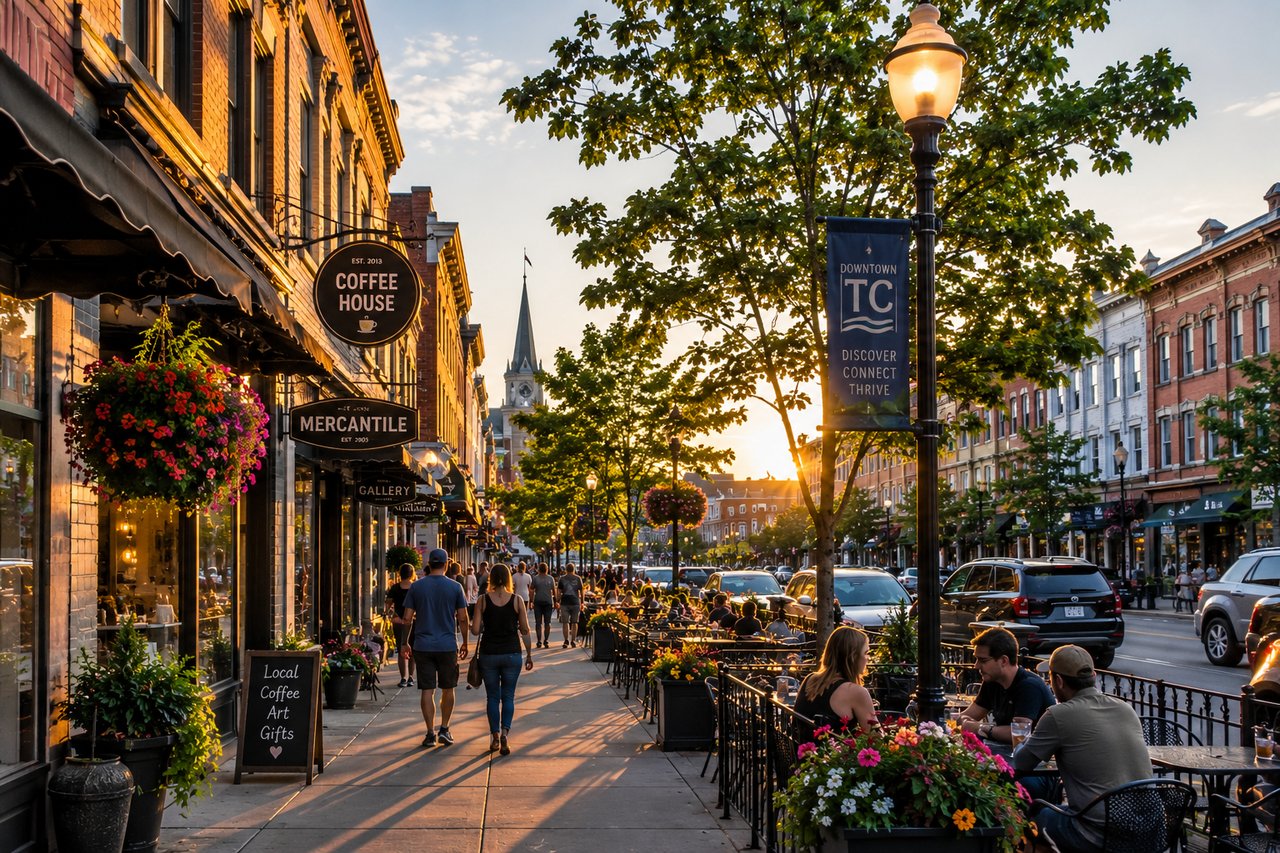
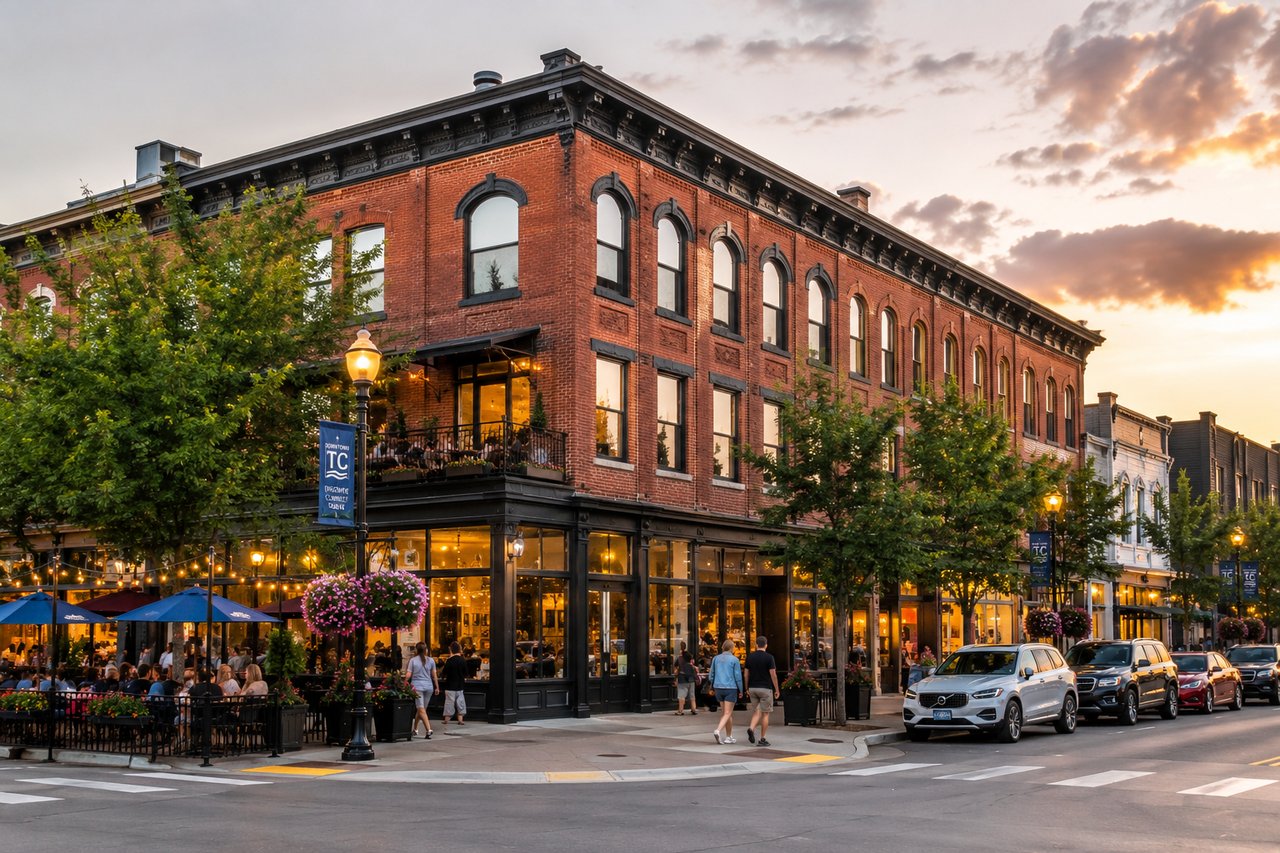
Retail real estate in Traverse City includes several different property types and location profiles. Downtown storefronts may offer walkability, visibility, tourism activity, and proximity to restaurants, lodging, offices, events, and waterfront amenities. These spaces can be especially attractive for brands that benefit from foot traffic, strong storefront presentation, and a destination-shopping environment.
Retail corridors may offer different advantages, including parking, regional access, larger floorplates, service-oriented uses, or visibility along major traffic routes. These locations may be better suited for businesses that depend on convenience, repeat local customers, appointment-based activity, or destination access rather than purely pedestrian traffic.
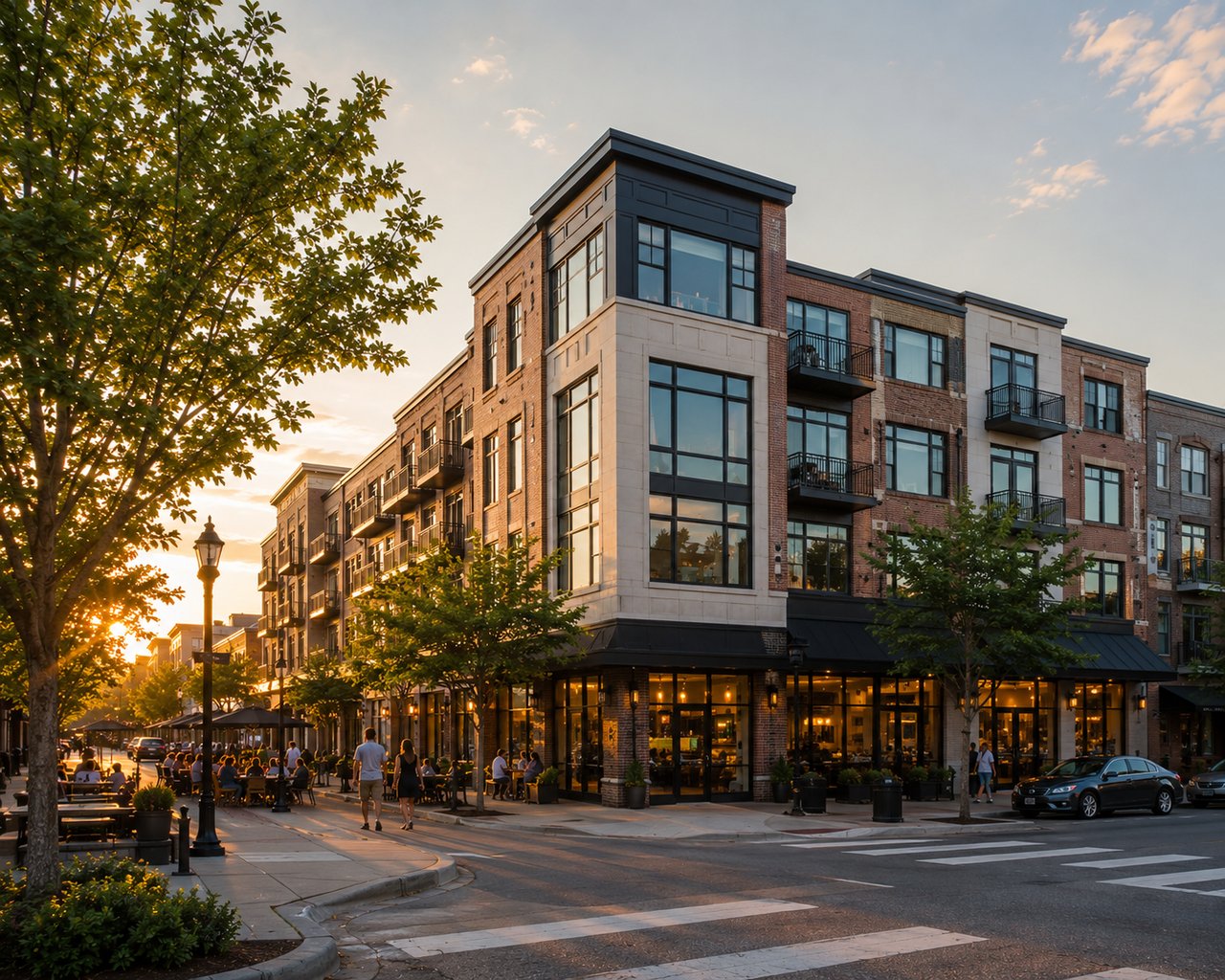
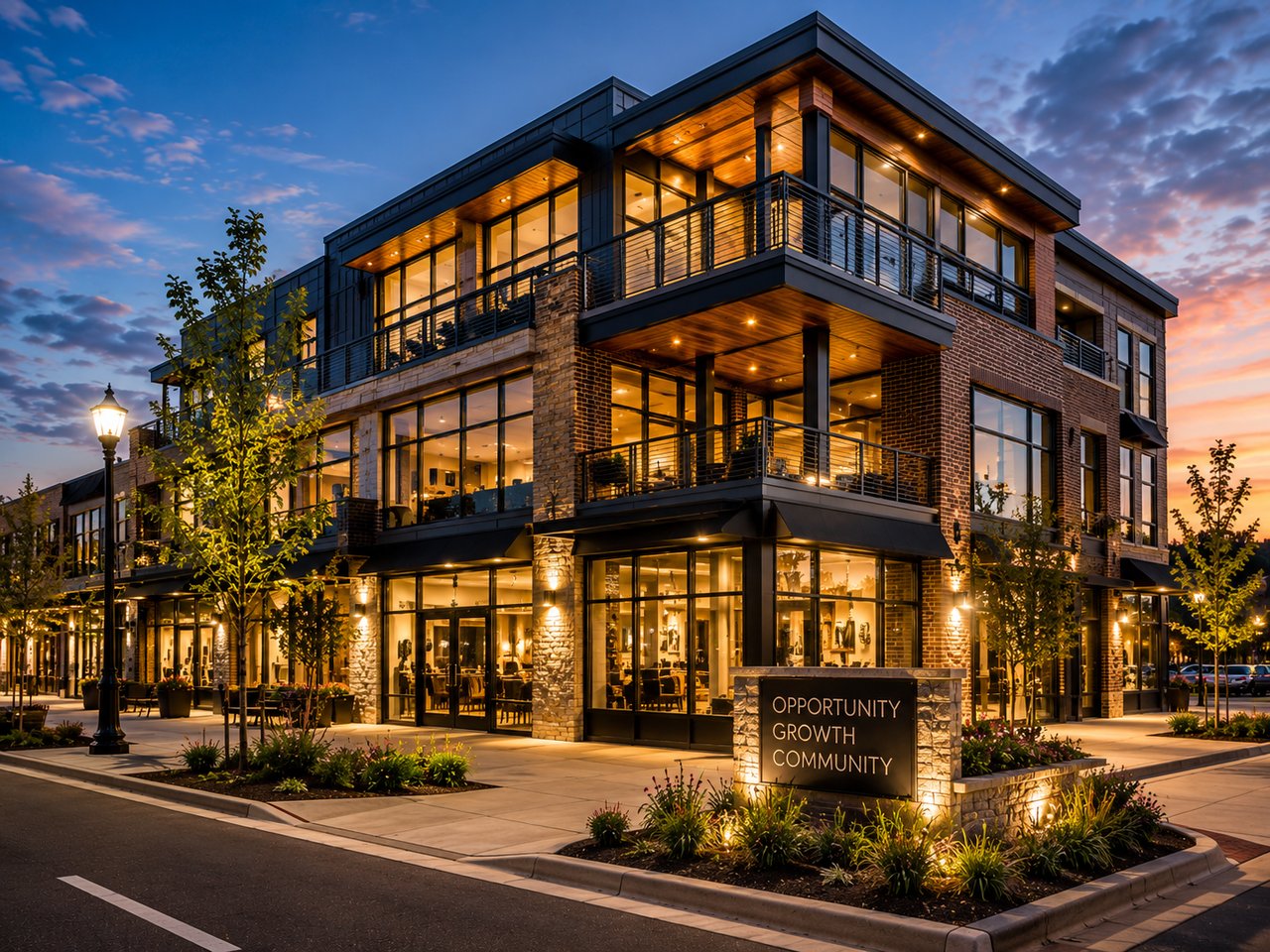
Mixed-use retail properties can also be especially compelling in Northern Michigan. Retail located beneath residential, lodging, office, or hospitality uses may benefit from built-in customer flow and stronger integration with surrounding activity. In downtown and redevelopment areas, mixed-use properties can help support a more vibrant year-round commercial environment.
For investors, the most attractive retail properties are often those that combine location fundamentals with flexibility. A building that can support multiple retail concepts, food and beverage uses, office-service hybrids, or future mixed-use repositioning may have stronger long-term adaptability than a single-purpose property.
What Business Owners Should Consider Before Leasing or Buying
Business owners evaluating retail space in Traverse City should begin with a clear understanding of their customer base, operating model, and long-term goals. A beautiful storefront may not be the right fit if parking, loading, visibility, lease terms, signage, or seasonal traffic patterns do not support the business model.
Important considerations include:
-
Whether the location depends mostly on tourists, locals, or both
-
How customer traffic changes between summer, shoulder seasons, and winter
-
Whether the space supports the brand experience and merchandising strategy
-
Parking availability and pedestrian access
-
Signage visibility and storefront presentation
-
Buildout costs, utilities, and infrastructure
-
Lease flexibility and renewal options
-
Compatibility with nearby tenants and businesses
-
Zoning, permitted uses, and licensing requirements
-
Long-term ability to grow, reposition, or relocate
For owner-operators, buying a retail property may offer long-term control, equity-building potential, and protection from future rent increases. Leasing, however, may provide flexibility and lower upfront capital requirements. The right choice depends on the business model, capital strategy, location availability, and long-term plans.
What Investors Should Watch in Traverse City Retail
Investors evaluating Traverse City retail properties should look beyond simple rent rolls and current occupancy. In a destination market, long-term value is often connected to tenant quality, location scarcity, redevelopment potential, walkability, tourism patterns, and the property’s ability to remain relevant as consumer behavior changes.
Retail properties with strong long-term fundamentals may include:
-
Downtown or walkable storefronts
-
Properties near restaurants, lodging, waterfront access, and event activity
-
Mixed-use buildings with multiple income streams
-
Retail spaces adaptable to food, service, specialty, or experiential uses
-
Buildings with strong visibility and parking
-
Properties in redevelopment corridors
-
Locations serving both visitors and year-round residents
Investors should also consider tenant mix. A property supported by local service businesses, specialty retail, food and beverage, hospitality-adjacent uses, or experiential concepts may perform differently than a property dependent on national soft-goods retail alone.
As online shopping continues reshaping traditional retail, physical spaces that offer experience, convenience, community connection, and destination value may remain better positioned than generic retail boxes.
The Role of Local Character
One of Traverse City’s greatest retail strengths is its local character. Visitors often come to Northern Michigan because it does not feel interchangeable with everywhere else. Independent retailers, local food businesses, galleries, makers, outdoor brands, boutique shops, and hospitality-adjacent concepts all contribute to that identity.
For business owners, this means authenticity matters. Retail concepts that understand the local market, respect the community, and create a memorable customer experience may be better positioned than concepts that simply attempt to import a generic model into a destination market.
For landlords and investors, preserving local character can also be a long-term value strategy. A strong tenant mix can make a property, block, or district more attractive to both residents and visitors. In retail real estate, the surrounding environment often becomes part of the asset’s value.
Long-Term Outlook for Traverse City Retail Real Estate
Traverse City retail real estate remains closely tied to the region’s broader economic and lifestyle trends. Tourism, second-home ownership, population growth, downtown activity, waterfront access, local food culture, outdoor recreation, and continued interest in Northern Michigan all contribute to the market’s long-term appeal.
Retail will continue evolving. Some businesses will need smaller spaces, more flexible layouts, stronger digital integration, or more experience-oriented environments. Others may seek high-visibility storefronts, food-compatible spaces, mixed-use locations, or properties that allow for future expansion.
While interest rates, construction costs, labor availability, and seasonal dynamics will continue influencing the market, well-positioned retail properties in Traverse City and surrounding Northern Michigan communities are likely to remain attractive to business owners, tenants, and investors who understand the region’s unique blend of visitor demand and local loyalty.
Navigating Retail Real Estate Opportunities in Traverse City
Retail real estate decisions often involve more than comparing available spaces. The strongest opportunities require thoughtful evaluation of location, customer behavior, tourism patterns, lease structure, property condition, operating needs, and long-term investment potential.
Cygnus Real Estate® works with buyers, sellers, investors, business owners, and tenants across Northern Michigan in commercial real estate, retail properties, mixed-use buildings, redevelopment opportunities, and investment-oriented transactions. Our focus remains centered on thoughtful strategy, local expertise, and long-term value.
Learn more about our commercial real estate services:
Commercial Real Estate Services
Related articles:
Northern Michigan Hospitality Real Estate: What Investors, Buyers & Operators Should Know
Mixed-Use Development & Investment Opportunities in Northern Michigan
Related Topics
Traverse City
Northern Michigan
Retail Real Estate
Commercial Real Estate
Retail Leasing
Investment Properties
Downtown Traverse City
Tourism Economy
Mixed-Use Development
Small Business